Upgrade Your Space: Essential Facts On Residential Improvement Projects for All Property Owners
Residents commonly search for options to upgrade their living spaces via professional remodeling. Such undertakings may vary from small kitchen fixes to complete home renovations. Being aware of the possibilities is necessary to making sound choices. Furthermore, there exist tangible aspects such as setting a budget and contractor selection. As householders start this endeavor, they might encounter surprising obstacles. The key to a successful transformation requires careful planning and implementation. What steps should be taken next?
Understanding the Different Types of House Improvement Projects
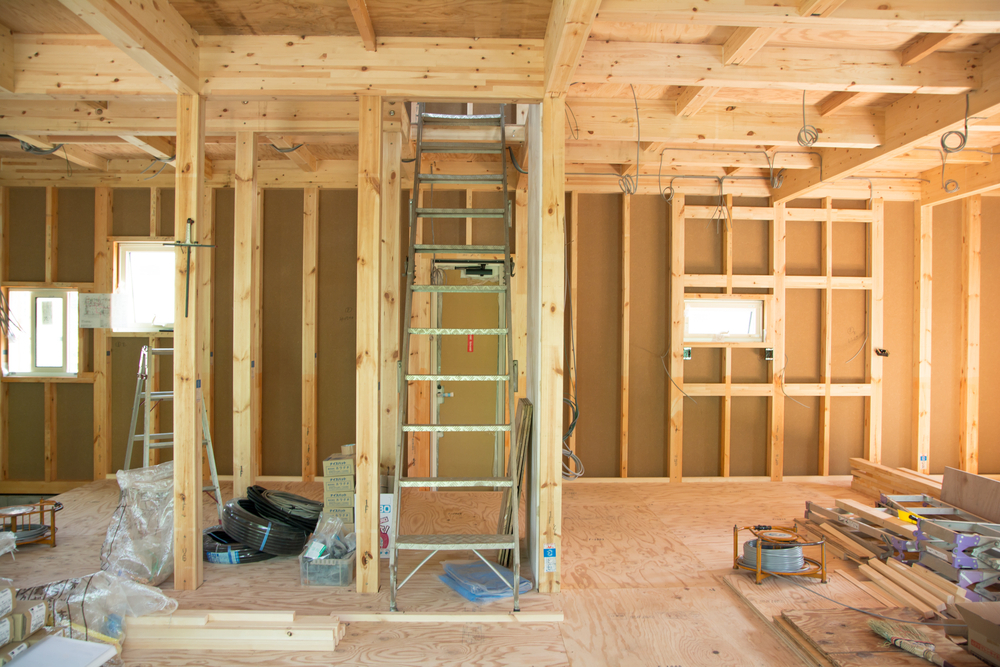
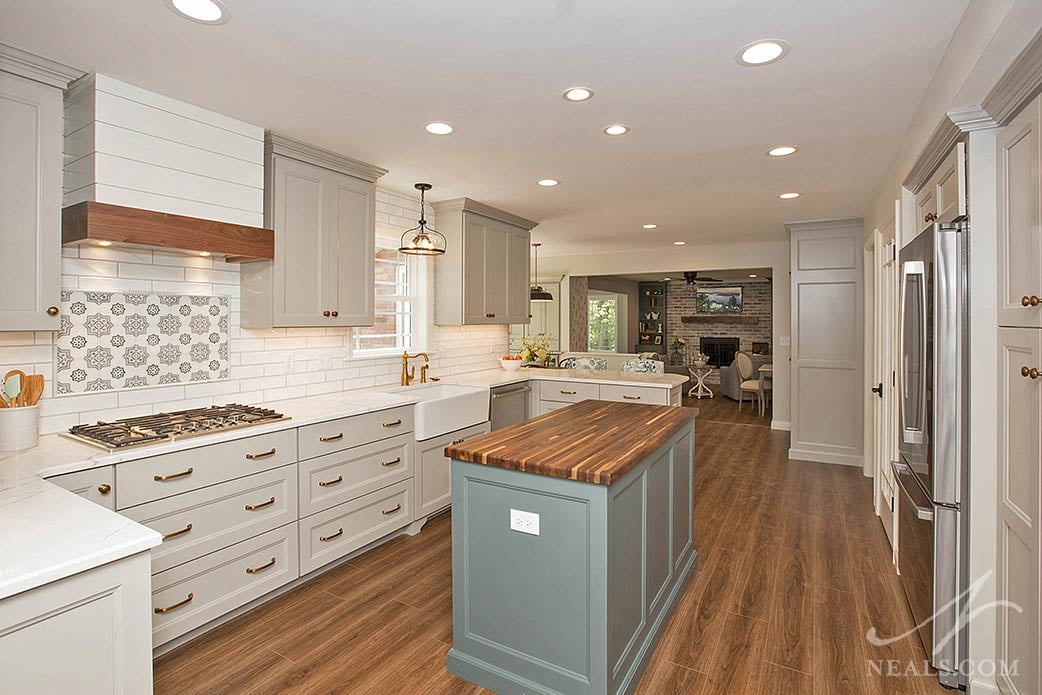
As householders look to improve their residences, they typically find a variety of remodeling services tailored to different needs and preferences. These services can be broadly categorized into several types, each addressing specific aspects of residential enhancement. Kitchen renovations center on updating appliances, the cabinets, and the design to enhance functionality and visual appeal. Renovating the bathroom usually includes improving the fittings, the ceramic work, and organizational units for better convenience and visual flair.
Full-house renovation covers extensive modifications to the entire house, sometimes requiring major structural work to optimize space and flow. Outdoor renovation projects, conversely, aim to improve curb appeal, addressing siding, roofing, and the garden design. Furthermore, specific options such as completing the basement and loft remodeling enable property owners to utilize fully underutilized spaces. All these service types delivers specific perks, letting residents pick services that match their goals for their home life. Grasping these differences is vital for making informed decisions while undertaking the upgrade.
Setting a Realistic Budget for Your Remodeling Project
How do property owners make certain their remodeling projects remain within budget? Establishing a realistic budget is crucial. Homeowners should begin by assessing their monetary resources, covering savings and possible funding sources. This first stage helps establish the amount that can be set aside for the renovation while maintaining other fiscal obligations.
Subsequently, property owners need to research the costs associated with their desired renovations, taking into account materials, labor, and unexpected costs that frequently occur. Creating a detailed list of priorities helps with separating necessities from non-essential items, enabling modifications if the finances are strained.
It is smart to incorporate a reserve fund, generally 10-20% of the entire budget, to cover unexpected costs. Periodically examining and tweaking the budget as the updating work progresses is also useful for preserving fiscal oversight. Finally, a thoroughly prepared budget ensures the project is feasible but also improves the entire renovation process for homeowners.
Choosing the Right Contractor for Your Requirements.
Choosing the appropriate professional can significantly affect the success of a remodeling project. Homeowners should begin by conducting thorough research, seeking recommendations from friends, family, or online reviews. It’s vital to verify credentials, such as licenses, insurance, and surety bonds, to verify their standing.
After suitable professionals have been found, property owners must ask for comprehensive quotes and schedules, facilitating well-grounded side-by-side evaluations. Discussions reveal their approach to dialogue and their level of expertise, which are crucial for working together effectively.
Furthermore, examining previous work via portfolios or referrals demonstrates the professional's skill level. It is wise to question them regarding warranties or safeguards, which shows the professional's belief in their output.
Finally, picking a builder whose approach fits the property owner's ideas, cost plan, and timeframe creates a better renovation journey, making certain the outcome satisfies needs and successfully updates the home's interior.
Planning and Designing Your Perfect Area.
When property owners picture their perfect areas, careful planning and thoughtful design become essential components of a successful remodeling project. The beginning stage requires reviewing existing necessities and future desires, which permits a comprehensive grasp of the room's intended function. Owners must take into account practicality, aesthetics, and personal style, making sure the design captures their individual tastes.
Subsequently, establishing a thorough budget is crucial. This budget should accommodate supplies, labor, and possible unexpected costs. Consulting with design experts can provide valuable insights, helping to optimize the space while adhering to budgetary constraints.
Incorporating elements like natural light, open layouts, and eco-friendly supplies can enhance the overall experience. In conclusion, seeing the project via drawings or computer models can help perfect concepts before starting the work. By thoughtfully tackling the design and planning stage, homeowners can design a welcoming, practical area tailored to their lifestyle.
Understanding Regulations and Permits in Residential Projects
Familiarizing oneself pertinent details with the red tape and requirements can be challenging for homeowners beginning a home improvement project. Every local government sets particular guidelines that dictate what is permissible during renovations, typically guided by area restrictions, building codes, and security requirements. It is essential for homeowners to understand local regulations to prevent expensive penalties or construction hold-ups.
Typically, obtaining permits is crucial for major changes, such as structural changes or new wiring installations. This process often involves submitting plans for review and could involve check-ups at different phases.
Working with a skilled professional can make this procedure easier, as they are usually well-versed in local regulations and can assist with paperwork. Homeowners should also keep communication open with the municipal planning office to ensure adherence throughout the project. By understanding and maneuvering through these requirements, homeowners can achieve their remodeling goals while guaranteeing that the work is safe and legal in their renovations.
FAQs
What is the Duration of a Standard Home Renovation?
A standard home renovation generally requires three to six months on average, based on the size of the job, size of the home, and material lead times. Complex projects may require additional time for completion.
What's the best way to avoid typical errors that people make when renovating?
Common mistakes when renovating a home are things like failing to budget properly, ignoring necessary permits, missing scheduled deadlines, poor communication with contractors, and not considering long-term functionality. Understanding these dangers often results in a less stressful, more successful remodeling experience.
What's the best way to select the appropriate materials for my renovation?
Choosing the right materials requires assessing their resilience, visual appeal, and budget. Researching options, getting expert advice, and thinking about upkeep are vital steps to make smart choices, making sure the renovation matches your functional and aesthetic goals.
Can I live in my home while the remodeling is happening?
Yes, one can live in their home while work is ongoing, but it may lead to inconvenience. Detailed organization, effective coordination with the renovation team, and setting aside certain zones where you can live normally can help minimize disruption while the work is underway.
What kind of coverage should be provided from remodeling contractors?
Clients typically receive warranties that guarantee the quality of the work, materials, and key building elements, typically ranging from one to ten years. It is essential to examine the exact provisions with contractors to know the full extent of the guarantee and its restrictions.